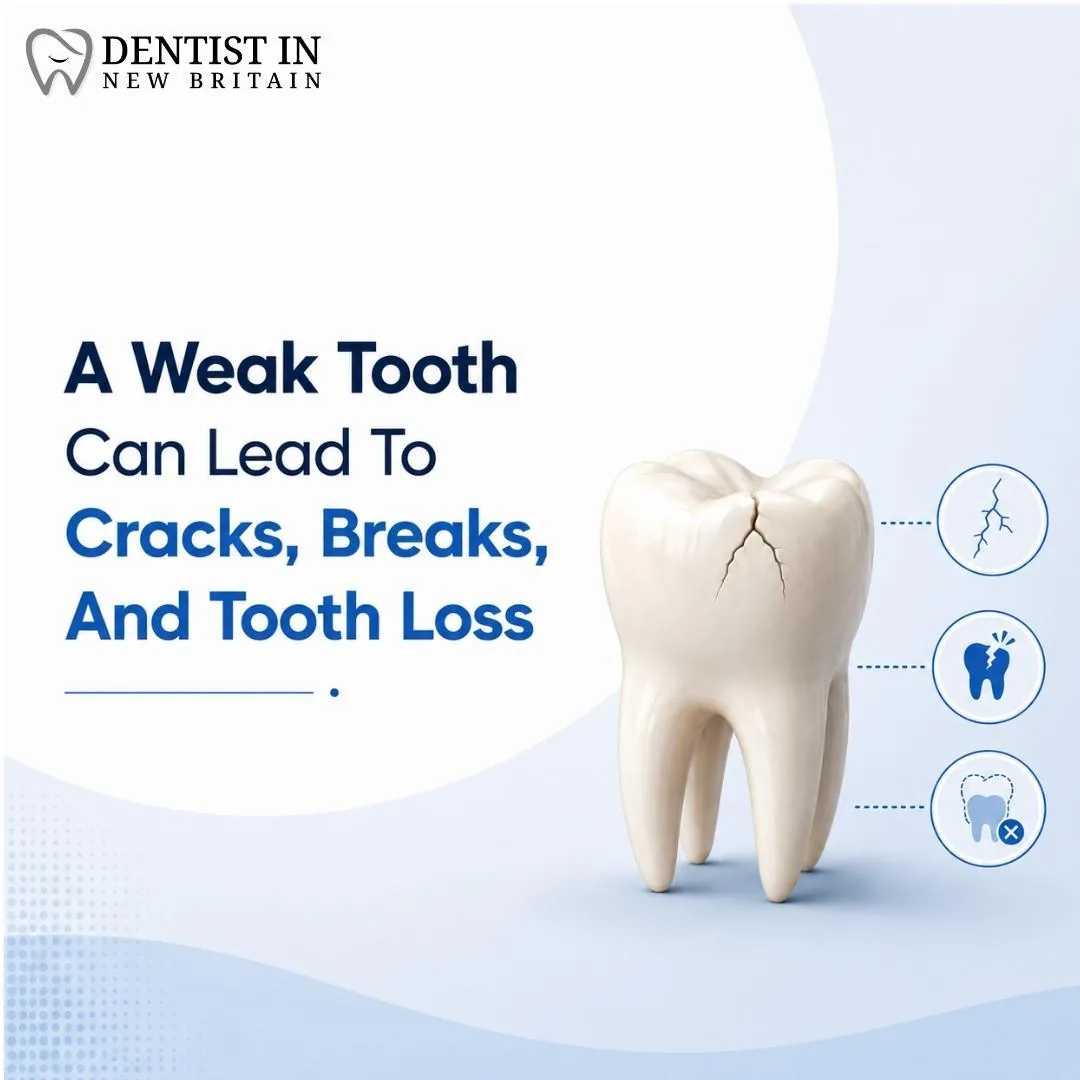
Many people feel a sharp pain when they bite. They may see a small chip or a dark line on a tooth. A Weak Tooth can cause trouble with chewing and with speaking. This problem can start small and get worse fast.
A cracked tooth lets bacteria move inside the tooth and reach the nerve. That can lead to infection and to tooth loss. Here you will know the causes, warning signs, and available treatments.
Many things can weaken the tooth’s structure and cause dental problems. These issues put teeth at risk for cracks, breaks, and possible loss.
Erosion wears enamel down over time. Thinning enamel makes weak teeth more likely to chip or crack. A dentist recalled a patient whose long-term enamel wear left large fillings and lost tooth structure. That tooth fractured under light pressure. Severe tooth decay and cavities can make teeth crumble or break.
Cracks in enamel give bacteria a path into the pulp and root. Bacterial entry can cause infections, abscesses, and bone loss around the tooth. Nerve damage follows broken teeth and can lead to toothaches and hypersensitivity. Untreated cracked teeth may end in tooth loss.
Weak enamel often leads to serious dental issues. Teeth grinding and clenching significantly contribute to tooth damage. This habit puts excessive pressure on the teeth, increasing their risk of cracking or breaking.
Many people grind their teeth at night, often unaware they are doing it. Continuous grinding can wear down enamel over time, making weak teeth even weaker.
Teeth with large fillings suffer more from this habit as well. The loss of tooth structure reduces their strength and brings about a higher chance of fractures. Cracks provide an entry point for bacteria into the pulp and root, raising the likelihood of infections or abscesses.
Weak teeth become fragile due to constant strain from grinding; they may chip easily under everyday stressors like biting food or chewing gum. Dental health suffers in these cases, and individuals must take action quickly to prevent further complications such as nerve damage or tooth loss.
Poor nutrition plays a significant role in dental health. A diet lacking essential nutrients can weaken teeth. Enamel thinning often stems from insufficient calcium and vitamin D intake.
These deficiencies make teeth more susceptible to erosion, leading to cracks and breaks over time. Foods high in sugars and acids contribute directly to tooth decay as well.
The effects of poor dietary choices extend beyond surface damage. Long-term enamel wear can result in severe complications, including infections and abscesses. Weak teeth due to inadequate nutrition prove vulnerable against cavities and structural integrity loss.
Failing to maintain healthy eating habits increases the risk of chipped teeth or even tooth loss down the line.
Weak teeth often show clear signs that indicate trouble. A person may feel pain or sensitivity when eating hot or cold foods, which suggests underlying issues.
Pain and sensitivity often signal weak teeth. People may feel discomfort when they eat hot or cold foods. This sensitivity arises from nerve endings exposed by cracks or enamel erosion.
Cracked teeth, even those with small breaks, can lead to infections if left untreated. Bacteria use these cracks as pathways to invade the pulp and root of the tooth.
Those suffering from chipped teeth might experience increased pain during daily activities like brushing or chewing. The presence of a cavity can further intensify this discomfort, leading to serious complications such as abscesses and potentially tooth loss. Understanding these warning signs is crucial for maintaining dental health.
Weak teeth often show visible cracks and chips. These signs indicate danger for dental health. A cracked tooth occurs from damage, creating small breaks in the enamel. Cracks can give bacteria an entry point to the pulp and root of the tooth. This bacterial invasion can lead to infections and abscesses.
Chips on a tooth surface might seem minor but signal underlying problems. Weak teeth are more vulnerable to chipping due to enamel erosion or thinning. Structural integrity declines with lost tooth material, making fractures increasingly likely.
If these issues go untreated, they may result in serious complications like nerve damage or even tooth loss. Regular check-ups help catch these problems early before they worsen.
Treatment options for weak teeth can help restore their strength. Dentists often use fluoride treatments to rebuild enamel and improve dental health.
Fluoride treatments help strengthen weak teeth. They can reverse early signs of tooth decay and support enamel remineralization. This process restores essential minerals lost from enamel erosion, making teeth more resilient against cracks and breaks.
Dental professionals often recommend fluoride for those with long-term enamel wear. Studies show that fluoride significantly reduces the risk of cavities, infections, and abscesses in weakened areas. People who have undergone fluoride treatment report improved dental health over time. Regular use can shield sensitive teeth prone to chipping as well.
Dental bonding serves as a quick solution for weak teeth. Dentists apply a tooth-colored resin to repair chips and cracks. This treatment helps restore the natural appearance of the tooth while enhancing its strength.
Patients often appreciate how this method allows them to regain confidence in their smiles without needing extensive procedures. Crowns provide another effective option for strengthening fragile teeth.
They cover damaged teeth, creating an outer layer that protects against further decay or breaks. Crowns significantly improve structural integrity, especially on teeth with large fillings or noticeable cracks. A properly fitted crown can prevent infections by sealing off exposed areas where bacteria might enter.
Weakness from enamel erosion makes these treatments vital for maintaining oral health. Dental professionals emphasize that timely intervention can prevent serious issues like nerve damage or abscesses later on. Investing in dental care now safeguards against future complications such as tooth loss or additional fractures down the line.
A weak tooth can result from decay, injury, or poor dental care. These factors make the tooth less strong and more likely to crack or break.
When a tooth is weak, it cannot handle pressure well. Chewing hard food or grinding teeth can cause cracks and breaks in weakened areas.
A weak tooth increases the chances of losing that tooth entirely. It may also lead to pain, infections, and other dental problems if not treated promptly.
To strengthen your teeth, practice good oral hygiene by brushing twice daily and flossing regularly. Regular visits to the dentist for check-ups help catch issues early before they worsen.
Tell us a little about what you need — we'll be in touch shortly.
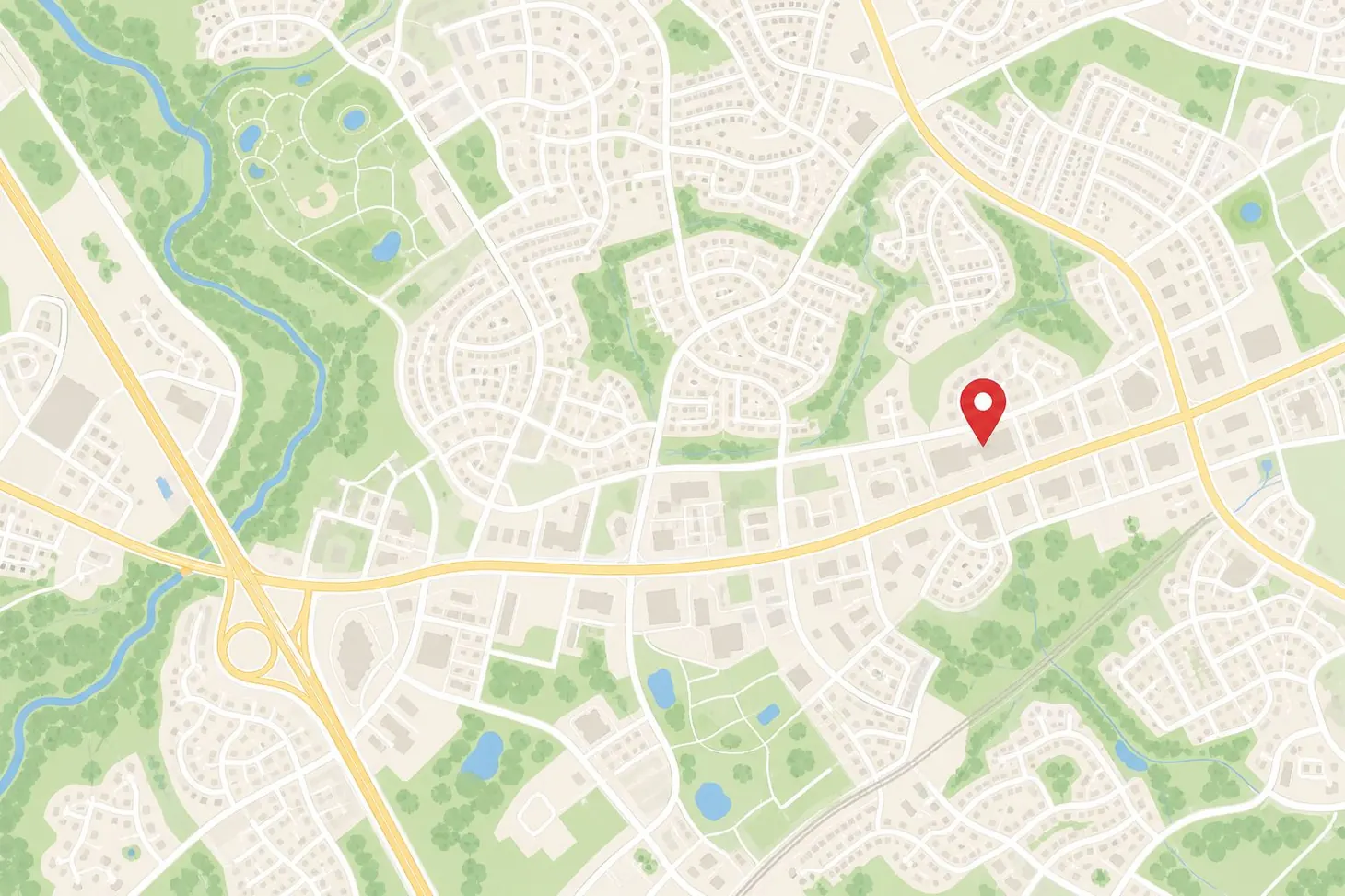
446 S Main St, New Britain CT 06051-3516, USA
Hi! I'm Tooth fairy! Your AI Assistant Ask me anything