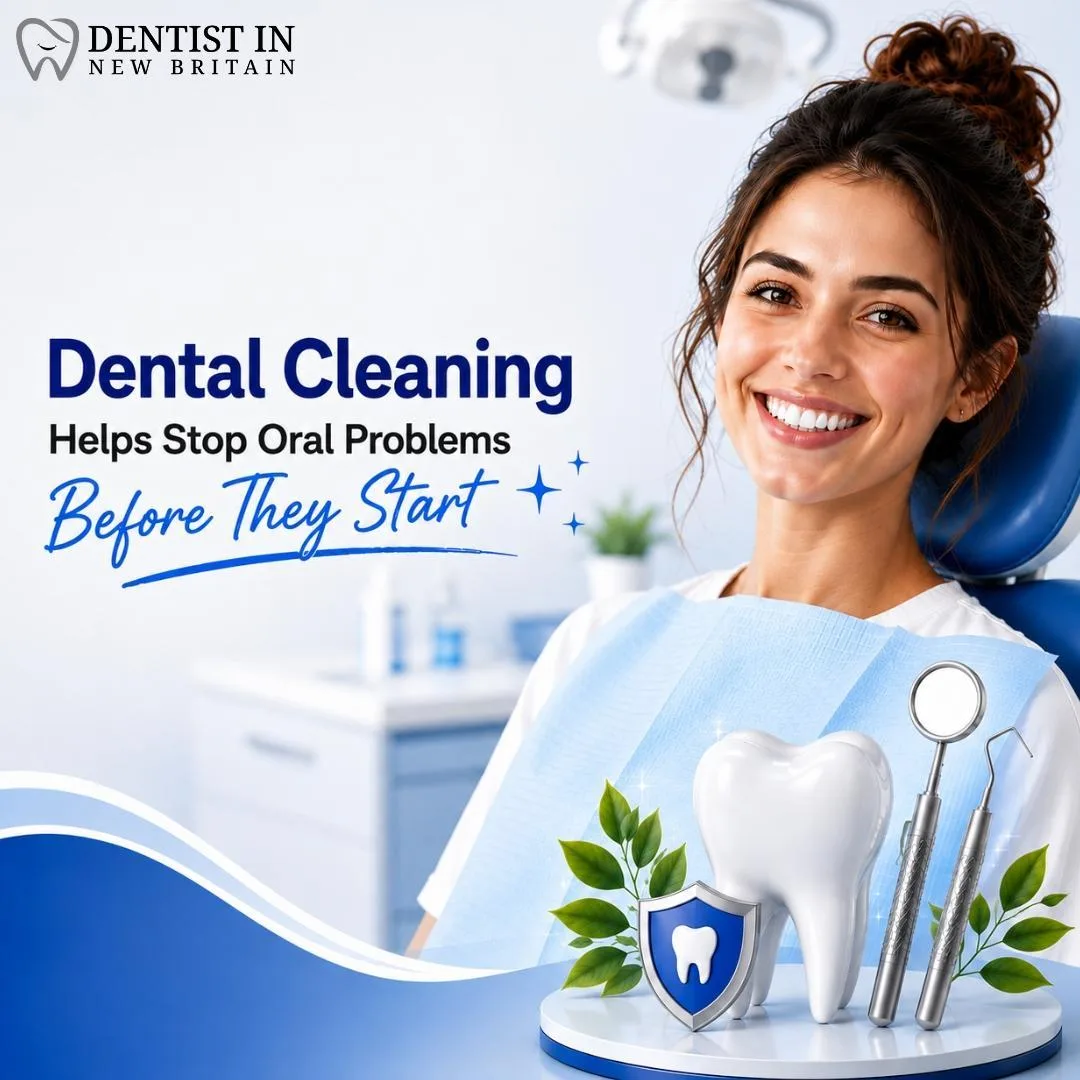
Many people worry about bad breath, bleeding gums, or new tooth pain. They want to stop small problems before they become big ones.
Dental Cleaning removes plaque, the sticky film of bacteria that causes decay and gum disease. Here you will know how routine cleanings stop cavities, lower the risk of tooth loss, and freshen breath.
Dental cleaning helps stop oral problems before they start by keeping your mouth free of harmful bacteria. These cleanings support better gum health and lower the risk of tooth decay.
Plaque is a sticky, colorless film of bacteria that builds up on teeth and causes decay and gum disease. Professional cleanings remove plaque and tartar in areas that brushing and flossing miss.
Tartar deposits on tooth surfaces come off during cleanings, which protects against periodontal disease and tooth decay. Hygienists remove bacterial deposits that lead to cavities and halitosis, and this helps freshen breath.
Regular preventive care helps stop tooth loss by treating gum disease early. Clinicians detect early signs of oral health problems during routine cleanings, which allows quick intervention.
Cleanings can brighten a smile by removing surface stains. Studies link oral inflammation to heart disease, showing how oral hygiene and professional cleaning affect general health.
Dental cleanings play a vital role in stopping cavities and gum disease. They remove harmful plaque and tartar that can build up on teeth. This build-up often leads to tooth decay and inflammation of the gums, which results in gum disease.
Regular professional cleaning effectively eliminates these issues before they cause significant harm. Dental professionals use special tools during cleanings to access hard-to-reach areas that daily brushing may miss.
Routine dental visits allow professionals to detect early signs of oral health problems. By catching issues early, dental experts can provide effective treatments that prevent cavities from forming or worsening.
Cleanings reduce bacteria levels in the mouth, helping freshen breath and promote better overall oral hygiene. The result is improved gum health; it helps ensure strong teeth for years to come while avoiding potential tooth loss caused by advanced gum disease or untreated cavities.
The dental professional begins by examining the patient's mouth. This step allows them to identify any issues before starting the cleaning process. Next, they use special tools to remove plaque and tartar from the teeth. After that, they polish the teeth for a smooth and shiny finish.
Dental cleanings play a crucial role in maintaining oral health. These professional sessions involve several steps that help prevent various oral problems.
These steps make dental cleanings an essential part of preventive care for lasting dental health and fresh breath. Understanding these stages helps patients appreciate the importance of routine dental checkups even more as they lead into discussions regarding the benefits of regular dental cleanings next.
Regular dental cleanings enhance oral health and keep breath fresh. They assist in preventing issues like gum disease and cavities, ensuring a bright smile. A routine visit makes a significant difference in dental care.
Dental cleanings significantly enhance oral health. They efficiently remove plaque and tartar buildup from teeth. This professional care prevents cavities and gum disease, which can result in tooth loss. By addressing these issues early, dental visits play a vital role in maintaining healthy gums and teeth.
Regular cleanings also freshen breath by eliminating bacteria that cause bad odors. Halitosis often originates from harmful deposits on teeth. Removing these during professional cleaning keeps mouths smelling pleasant and supports overall dental health. A bright smile boosts confidence too, making routine dental care beneficial for everyone.
Dental cleaning is a process where a dentist or hygienist removes plaque and tartar from your teeth. This helps keep your mouth healthy.
Regular dental cleanings help stop cavities, gum disease, and other issues before they start. They remove harmful buildup that can lead to these problems.
You should have your teeth cleaned at least twice a year. Some people may need more frequent visits based on their oral health.
During an appointment, the dentist or hygienist will examine your mouth, clean your teeth, and check for any signs of trouble like cavities or gum disease.
Tell us a little about what you need — we'll be in touch shortly.
446 S Main St, New Britain CT 06051-3516, USA
Hi! I'm Tooth fairy! Your AI Assistant Ask me anything