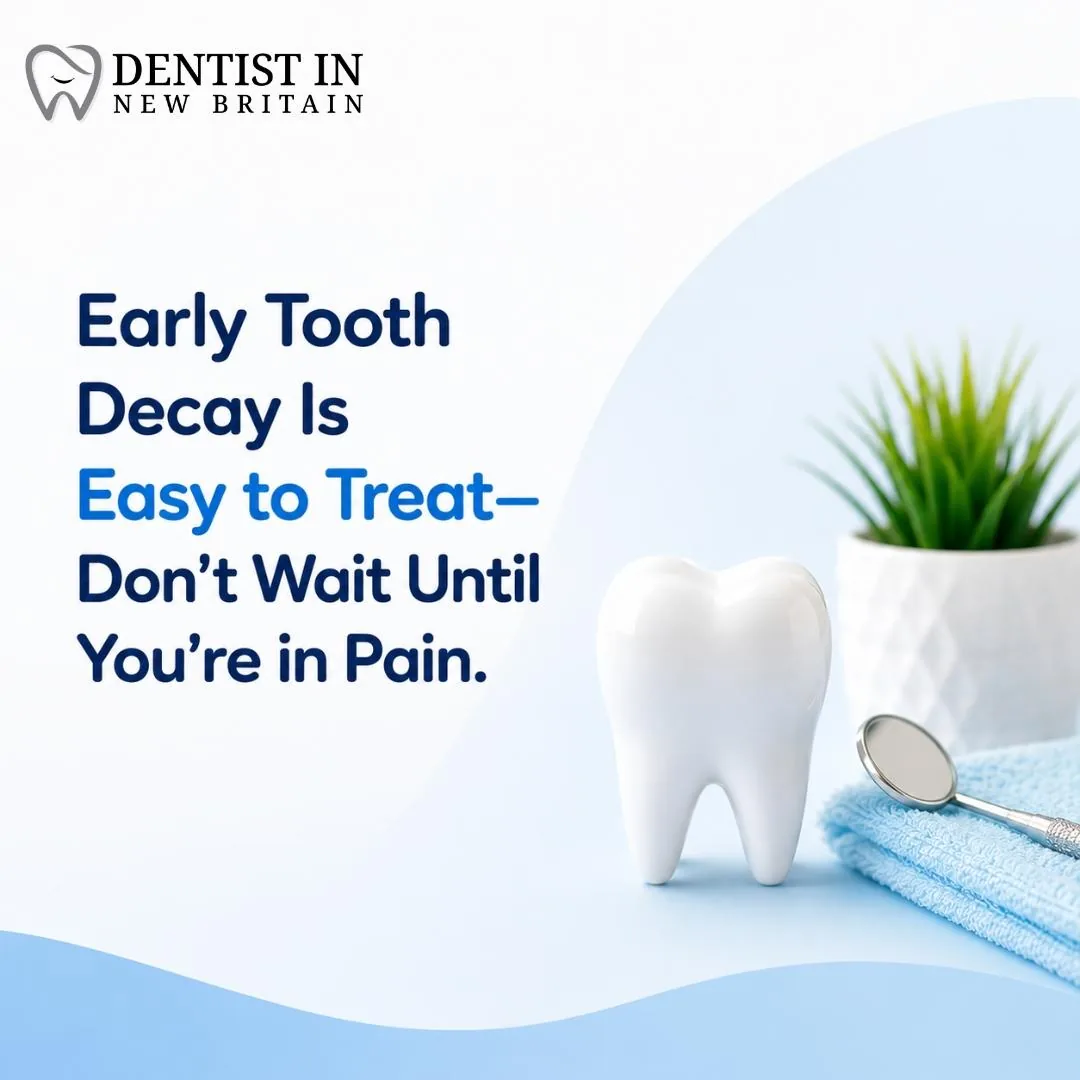
Many people feel a small pit or dark spot on a tooth and then wait. They fear pain, cost, or the dentist. Tooth Decay can start this way. Cavities often cause no pain at first, so routine dental visits catch problems early.
Early tooth decay can be reversed with prompt care. Fluoride can stop decay and even heal early enamel damage. Simple treatments like fluoride, fillings, and minor restorations cost less and hurt less than major work later. This guide shows easy steps for prevention, home care, and timely treatment.
Early tooth decay requires immediate action to prevent further damage. Spotting signs early can save a person from pain and costly treatments later on.
Tooth decay often starts without noticeable pain. Many people don't realize they have cavities until the damage worsens. Yellow or brown spots on teeth signal early signs of decay.
Sensitivity to hot or cold foods may also occur as enamel weakens. Sometimes, bad breath can indicate ongoing oral health issues.
Regular dental visits help catch these problems early. Dentists can detect subtle changes that patients may overlook. Ignoring these symptoms can lead to more significant issues, including painful treatments like root canals or extractions. Early intervention saves time and expense while preserving dental health for years to come.
Recognizing the signs of early tooth decay is crucial. Early treatment can significantly prevent pain and complications. Catching cavities in their initial stages allows for simple, less expensive solutions.
Fluoride treatments can reverse early decay and strengthen enamel, reducing the risk of progression. Regular dental visits play a key role in this process. Patients often experience fewer problems when they seek help promptly.
Delaying treatment leads to more severe issues, including pain management challenges. Untreated cavities may reach the tooth pulp, causing serious discomfort and requiring complex procedures like root canal therapy or extraction.
By addressing tooth decay early, individuals protect their oral health effectively and avoid costly interventions later on. Early intervention ensures that patients maintain healthy teeth while minimizing potential complications from advanced tooth decay.
Ignoring a cavity can lead to serious consequences. Untreated cavities may reach the tooth pulp, where nerves and blood vessels reside. This situation often necessitates root canal treatment or even tooth extraction as more invasive solutions become necessary.
Patients frequently face greater pain during these advanced stages of decay compared to early cavity treatments. They also encounter higher costs due to complex dental procedures.
Waiting until experiencing discomfort only complicates matters further. Many people do not feel pain in the early stages of tooth decay, making routine dental visits essential for detection.
Early intervention allows dentists to apply fluoride and stop decay from progressing, reversing damage before it worsens. Prolonging treatment increases the risk of severe complications that could have easily been avoided through timely care for oral health issues like cavities.
To treat early tooth decay, individuals can improve their at-home oral care. Daily brushing and regular dental visits play key roles in maintaining strong enamel and preventing cavities.
Good oral hygiene strengthens teeth and prevents early tooth decay. Brushing twice a day with fluoride toothpaste helps protect enamel. Flossing daily removes food particles stuck between teeth, preventing cavities from forming. Regularly rinsing with an alcohol-free mouthwash can also help reduce plaque buildup.
Eating a balanced diet fuels strong teeth. Reducing sugary snacks lowers the risk of cavities, as sugar feeds bacteria that cause tooth decay. Drinking plenty of water supports overall oral health by washing away food debris and bacteria.
With these at-home oral care habits, individuals can maintain healthy teeth and avoid painful dental problems in the future.
Professional dental treatments play a vital role in managing early tooth decay. Dentists can reverse early decay through fluoride treatments, which strengthen enamel and make teeth more resistant to cavities.
Regular checkups allow for the timely detection of issues before they worsen. Early n;intervention means simpler procedures, like fillings or sealants, instead of complex surgeries.
Delaying treatment often leads to pain and higher costs. If left unchecked, cavities can reach the pulp of the tooth. This situation may require root canal therapy or extraction of both invasive solutions that could have been avoided with prompt attention. Maintaining oral health starts with seeking professional help at the first sign of trouble.
Good oral care is essential for maintaining healthy teeth. Regular brushing and flossing help remove food particles and plaque. People should brush their teeth at least twice a day with fluoride toothpaste. Flossing daily removes debris between teeth that a toothbrush can't reach.
Routine dental visits play a crucial role in prevention. Dentists can detect early tooth decay, even if it doesn't cause pain yet. Professional cleanings also keep enamel strong and prevent cavities.
Drinking water, especially fluoridated water, supports oral health by helping to remineralize enamel and fight against tooth decay.
Early tooth decay is damage to the enamel on a tooth. It can lead to cavities if you do not act. It affects oral health and overall dental health.
Look for white spots, rough areas, or mild sensitivity. You may not feel pain yet. These signs mean you may need cavity treatment or better oral hygiene.
Yes. Fluoride can stop or reverse early decay. Quick treatment limits the need for a filling and reduces pain management needs.
Dentists use fluoride, cleaning, and small fillings. They aim to save the tooth and protect the enamel. They give clear steps for treatment and prevention.
Brush and floss daily. Use fluoride toothpaste and limit sugary snacks. Keep routine checkups and follow good oral hygiene to protect dental health.
See a dentist at the first sign of a cavity or any pain. Go to regular dental visits for early intervention. Do not wait until pain forces you to seek care.
Tell us a little about what you need — we'll be in touch shortly.
446 S Main St, New Britain CT 06051-3516, USA
Hi! I'm Tooth fairy! Your AI Assistant Ask me anything