Many people feel a sharp ache at the back of the mouth when their last molars arrive. This pain often starts in the late teens or early twenties, when third molars, also called wisdom teeth, begin to emerge.
These teeth are the last to grow. They can push other teeth, get stuck in the jaw, or stay trapped under the gums. Here you will know what causes the pain, common symptoms, and simple care and treatment choices like watching the tooth or having it removed.
Why do wisdom teeth often cause trouble? These last molars usually don't have enough room in the jaw to grow properly. This lack of space can lead to impaction and misalignment as they try to erupt, creating a perfect storm for dental issues.
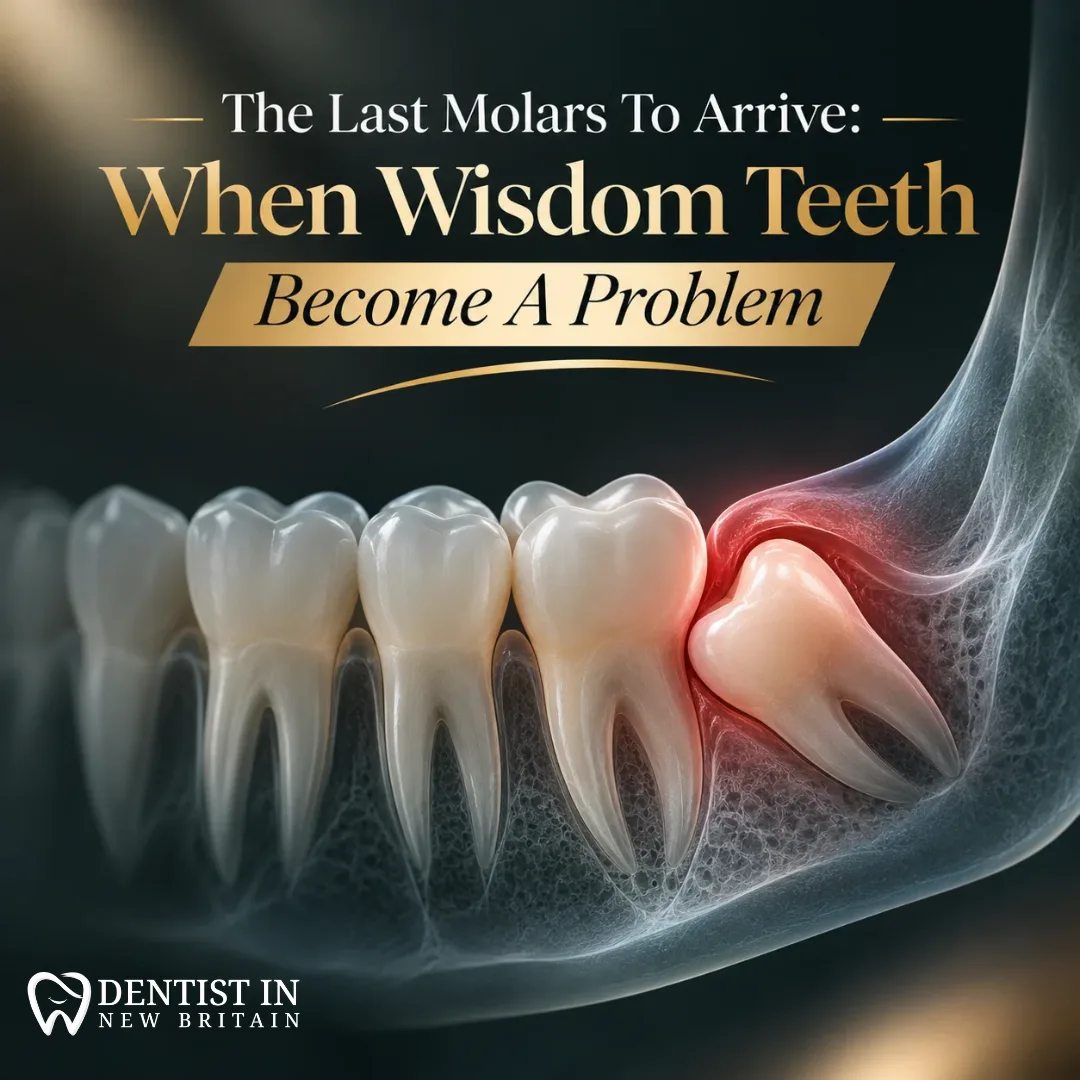
Third molars, also called wisdom teeth, often arrive last. They usually erupt between ages 17 and 25 in the back of the upper and lower jaws. Lack of space in the jaw can trap these teeth beneath the gum or push them at odd angles. Impacted teeth in this way can bind in the soft tissue and cause sharp gum pain.
Horizontally impacted wisdom teeth can nudge other teeth and wreck alignment. Dentists watch eruption closely and may opt for extraction to protect dental health. Early professional care reduces the chance of infection, tooth decay, and the need for oral surgery.
Impacted third molars develop when the jaw lacks space to let them erupt normally. They usually appear between ages 17 and 25 at the back of the upper and lower jaws. A dentist recalls treating an 18-year-old whose wisdom tooth grew at an odd angle and sat trapped beneath the gum, causing sharp gum pain.
They can remain bound in soft tissue or sit under the jawbone, and those positions often cause steady discomfort.
Horizontal impaction can push neighboring teeth and change tooth alignment. Vertical impaction also occurs and can sit partly erupted, raising the risk of decay and gum disease. Early intervention and professional dental care help stop more damage and guide decisions about oral surgery or extraction.
Signs like pain, swelling, and difficulty opening the mouth lead into the common symptoms section.
Wisdom teeth often cause a range of annoying problems. One might notice persistent pain, swelling, or even trouble opening the mouth wide.
A 22-year-old patient felt sharp pain and noticed swelling at the back of the jaw as his third molars tried to erupt during the typical 17 to 25 age window. His lower third molar sat trapped beneath the gum and grew at an odd angle, creating an impacted tooth that pressed on the jawbone and nearby roots.
That horizontally impacted tooth pushed against adjacent molars and started to change tooth alignment. The pain grew steady enough to affect sleep and daily eating.
He also reported trouble opening his mouth and had trouble with basic oral hygiene. The limited mouth opening, called trismus, followed a bout of gum pain and an unpleasant taste from trapped food around the impacted teeth.
Dentists recommended oral surgery and extraction after X-rays showed the third molars could not erupt properly and threatened decay and gum disease. Early professional care helped stop further shifting and other problems.
Pain, swelling, and difficulty opening the mouth often lead to bad breath or an unpleasant taste. Wisdom teeth can trap food and bacteria. This buildup creates odors that linger in the mouth. The infection may worsen if impacted wisdom teeth remain untreated.
People experiencing gum pain from their third molars might also notice a weird taste during meals or brushing their teeth. Ignoring these symptoms can make dental health worse over time.
Regular checkups help prevent such issues before they escalate into bigger problems like gum disease or tooth decay.
When wisdom teeth cause trouble, patients have a few options. Some may just need to manage the pain and keep an eye on their third molars, while others might require surgical removal for relief.
Monitoring wisdom teeth is crucial. Dentists keep an eye on their development, especially for those aged 17 to 25. If third molars show signs of impaction or misalignment, swift action can prevent further problems.
Pain management becomes vital if these teeth become trapped or shift at odd angles. Over-the-counter pain relievers like ibuprofen may help ease discomfort temporarily.
For persistent pain, professional dental advice is essential. Regular check-ups allow dentists to assess whether extraction might be necessary. They evaluate symptoms such as swelling and difficulty opening the mouth.
Early intervention often leads to smoother recovery and better dental health outcomes in the long run.
Surgical removal becomes necessary when wisdom teeth cause pain or complications. If a third molar is impacted, it may not have enough room to grow properly. This situation can lead to misalignment of other teeth and significant discomfort.
Oral surgery allows dentists to extract these problematic teeth, often before they cause more serious issues.
During the procedure, the dentist will carefully assess the situation. They consider how deeply the tooth is buried and its position in relation to surrounding teeth and gum tissue.
For some patients, this could happen as early as age 17; others might need extraction later in their twenties. Many who undergo surgical removal report immediate relief from previous pain and an improvement in dental health afterward.
Wisdom teeth are the last molars that usually come in during late teens or early twenties. They can cause problems if there is not enough space in your mouth.
Problems include pain, infection, crowding of other teeth, and even damage to nearby roots. If they don’t grow properly, you may need to see a dentist.
Symptoms like swelling, jaw pain, or difficulty opening your mouth could indicate issues with your wisdom teeth. If you notice these signs, it’s time for a dental check-up.
Regular dental visits help catch any potential issues early on. Good oral hygiene also plays a big role in keeping those last molars healthy and happy!
Tell us a little about what you need — we'll be in touch shortly.
446 S Main St, New Britain CT 06051-3516, USA
Hi! I'm Tooth fairy! Your AI Assistant Ask me anything